analogous / antithetical
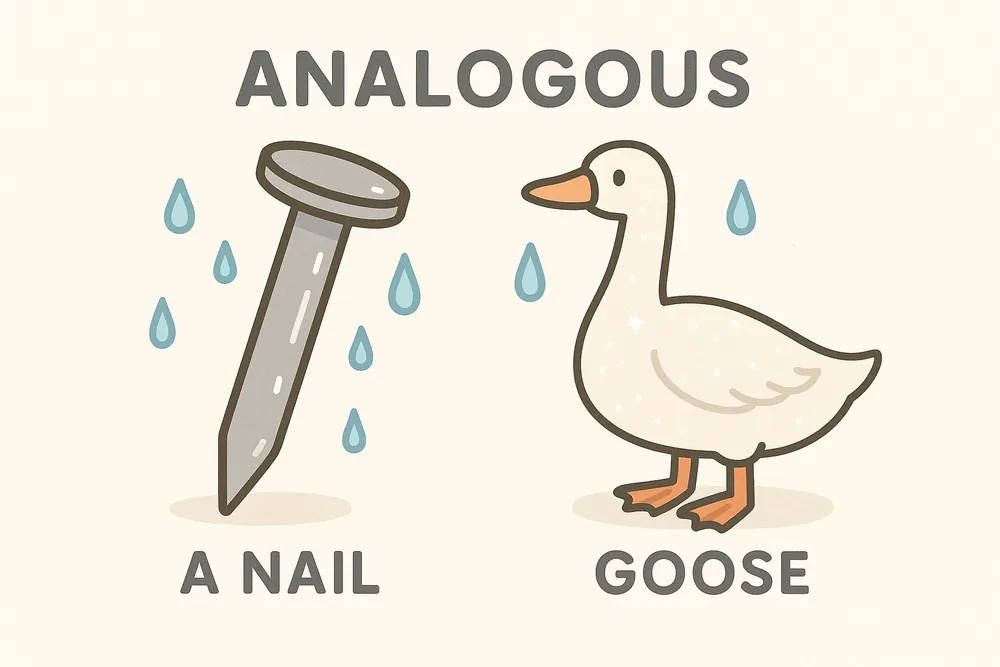
Analogous ideas share a useful similarity; antithetical ideas oppose one another at a basic level.
Ten-word study set
Words for evaluating claims, comparing ideas, identifying evidence, and describing weak reasoning.
Learn the distinctions
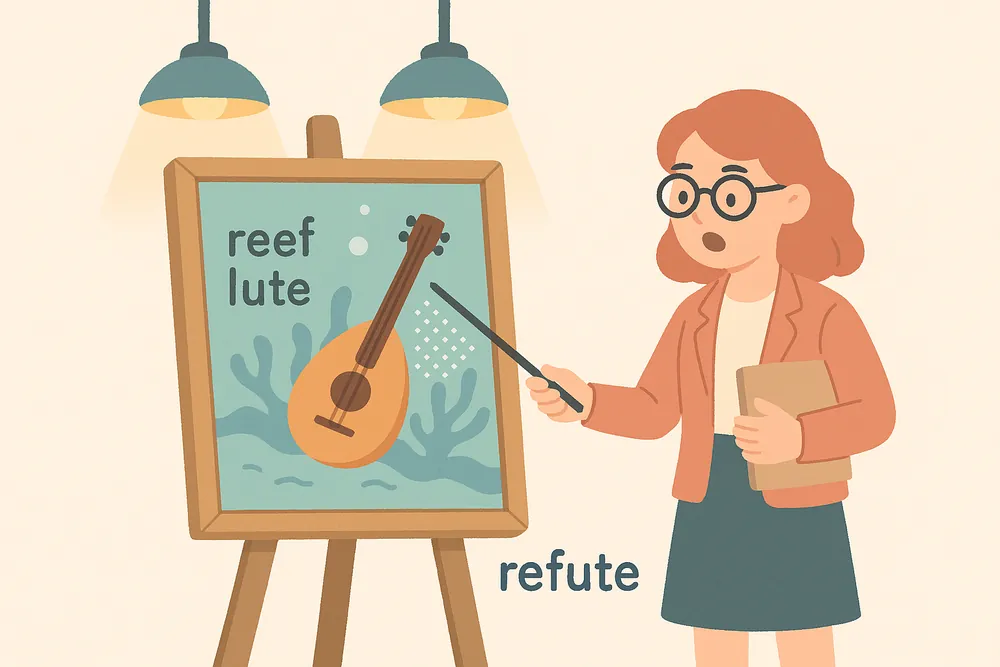
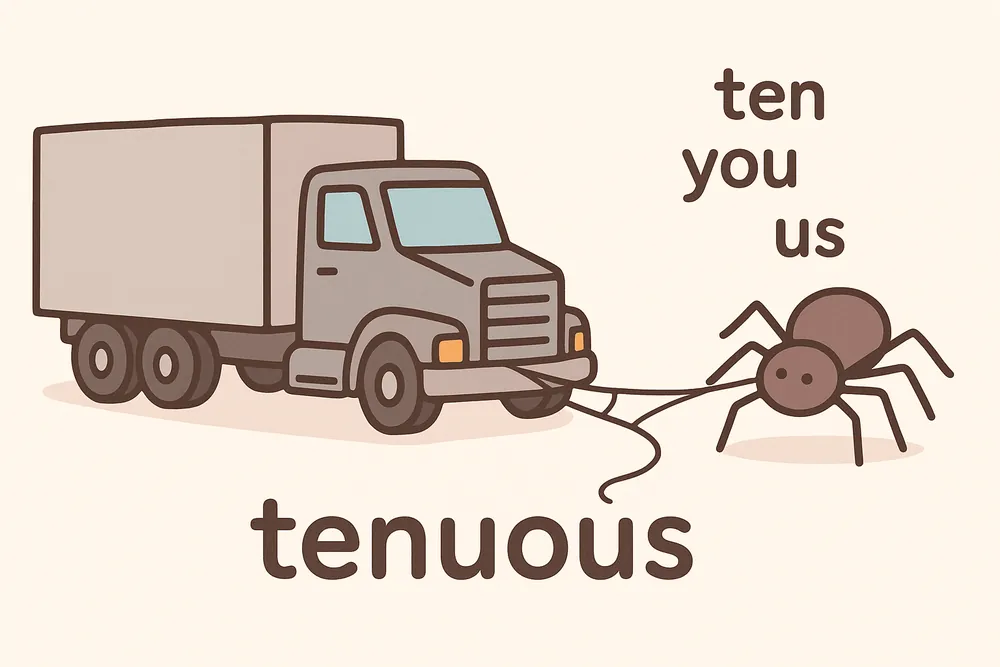
An argument can fail in several different ways, and this collection gives each failure a more exact name. A tenuous connection is weak; a fallacious argument contains faulty reasoning; spurious evidence only appears valid. By contrast, a cogent case is clear and convincing, while corroborating evidence independently supports it. To refute a claim, the evidence must actually show that it is wrong.
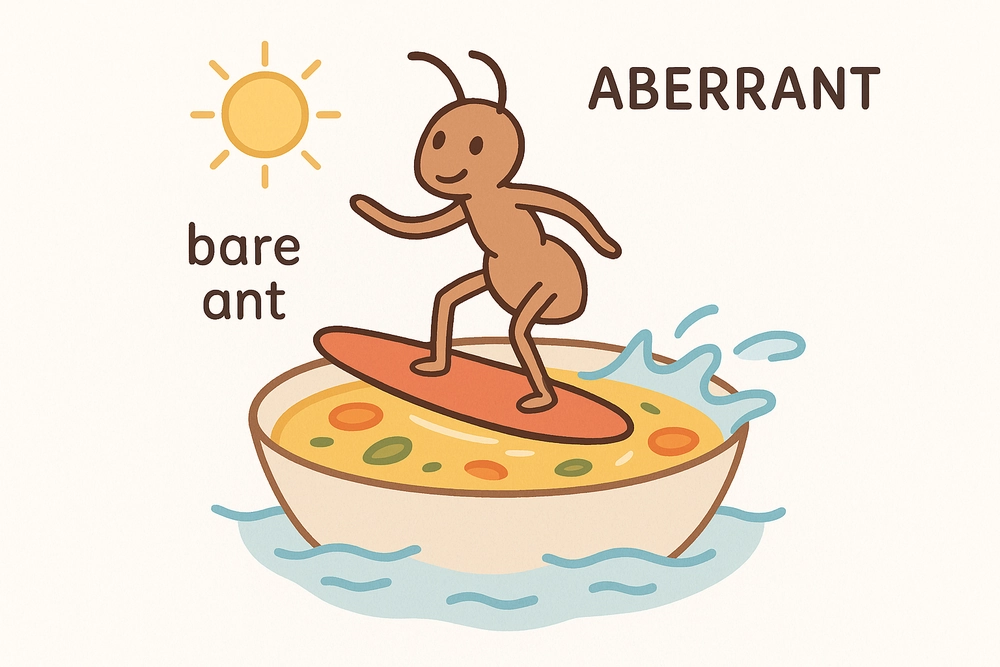
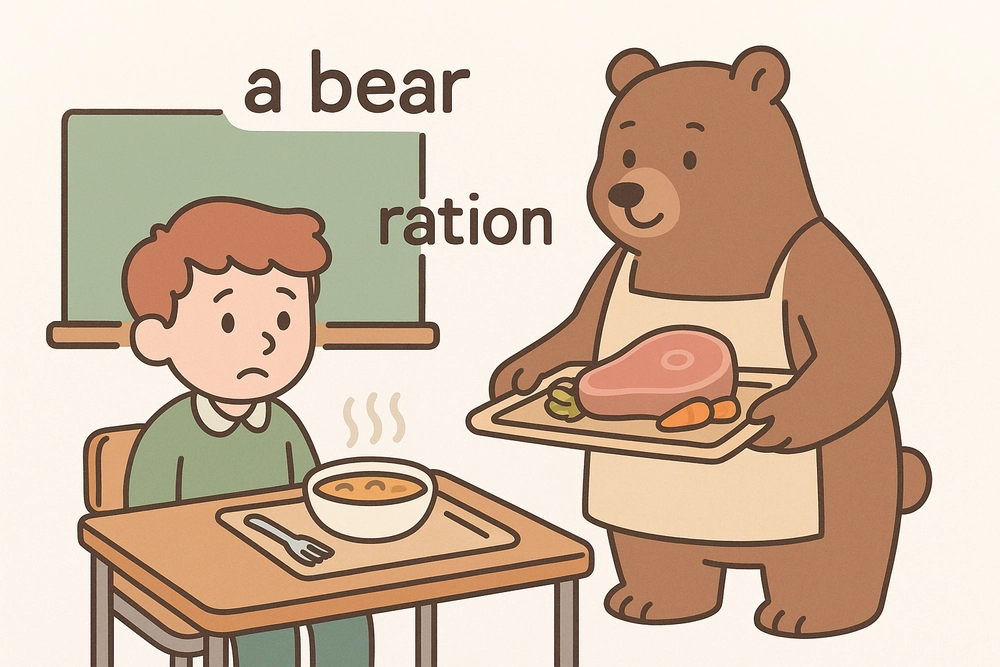
Other words describe relationships between ideas. Analogous things are similar in a relevant respect, while antithetical positions are fundamentally opposed. Dogma is accepted as authoritative rather than continually questioned. Aberrant and aberration mark a departure from an expected pattern, but the adjective describes the unusual thing and the noun names the departure itself.
Analogous ideas share a useful similarity; antithetical ideas oppose one another at a basic level.
Cogent reasoning is clear and persuasive. Fallacious reasoning relies on an error even when it initially sounds convincing.
To corroborate is to add confirming support. To refute is to demonstrate that a claim or argument is false.
adjective · uh-NAL-uh-guss
Comparable in certain relevant respects, though not identical.
Learn this word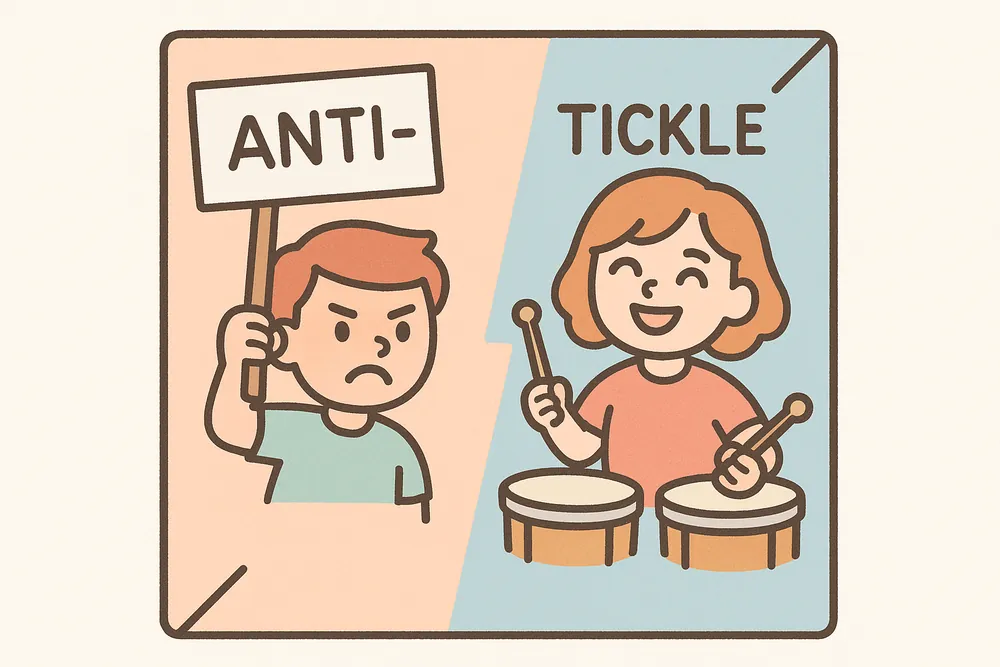
adjective · an-ti-THET-i-kul
Directly opposed to or incompatible with something.
Learn this word
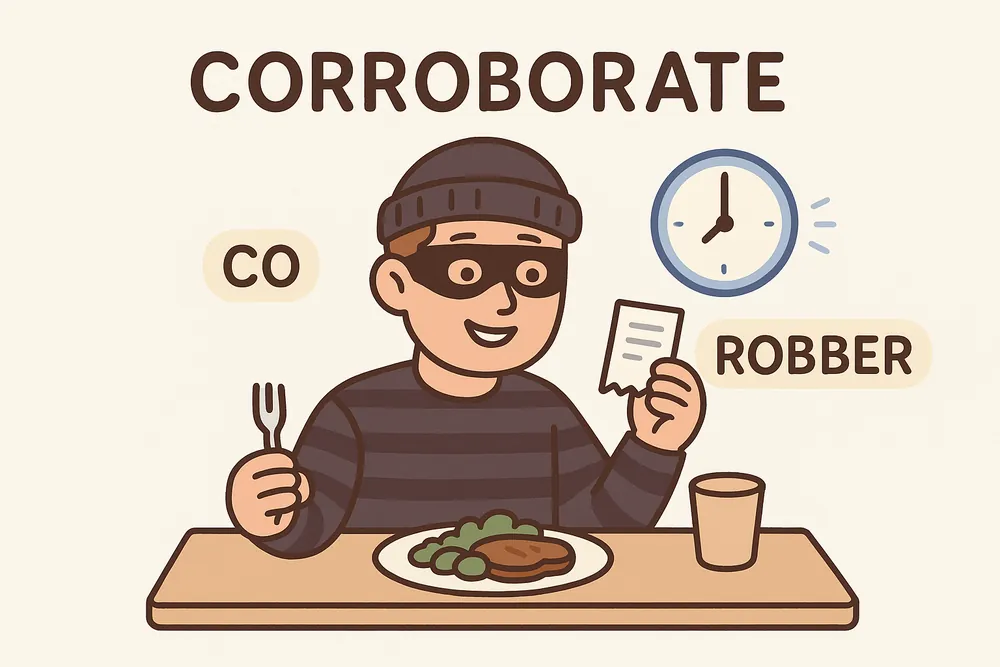
verb · kuh-RAW-buh-rayt
To confirm or support a statement with additional evidence.
Learn this word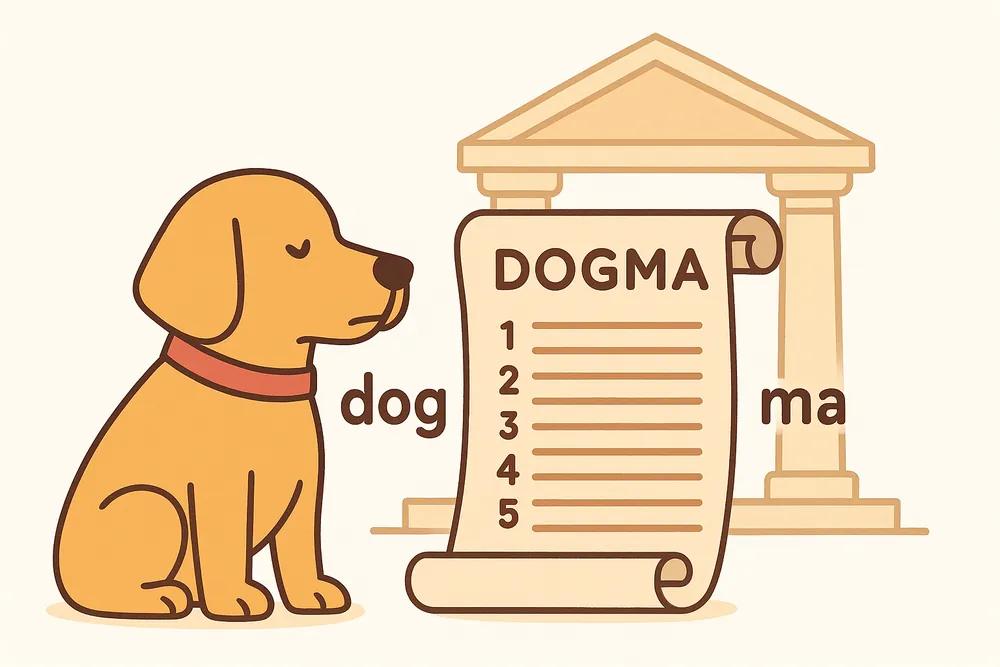
noun · DAWG-muh
A belief or set of beliefs accepted as authoritative and not to be questioned.
Learn this word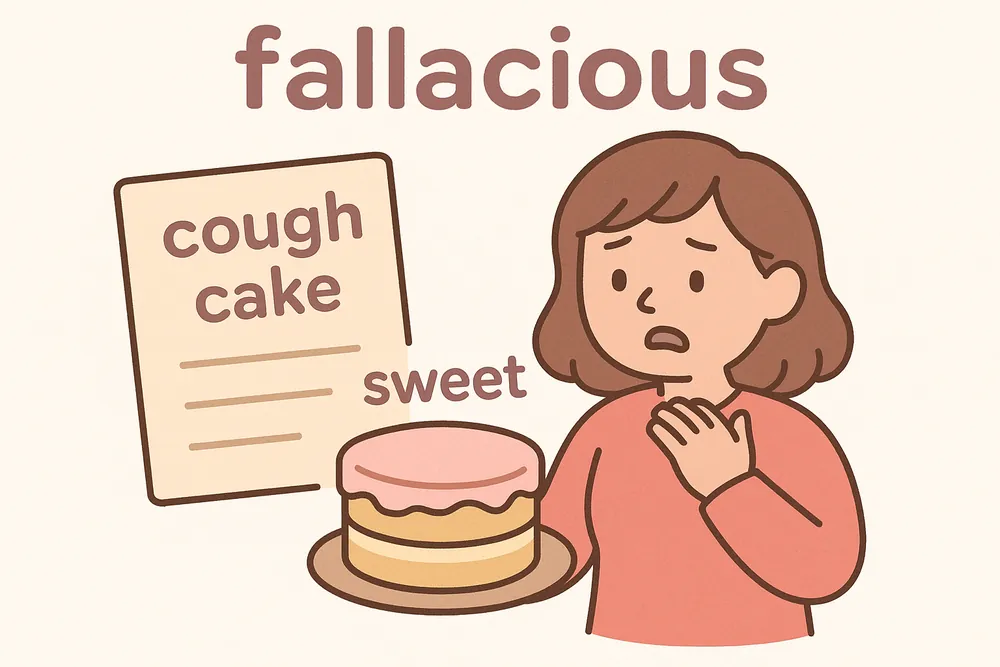
Finished this set?
Choose another collection