amiable / obsequious
Amiable friendliness is pleasant and equal. Obsequious behavior is excessively submissive and usually directed toward someone powerful.
Ten-word study set
Words for dignity, conviction, temperament, judgment, remorse, and persistence.
Learn the distinctions
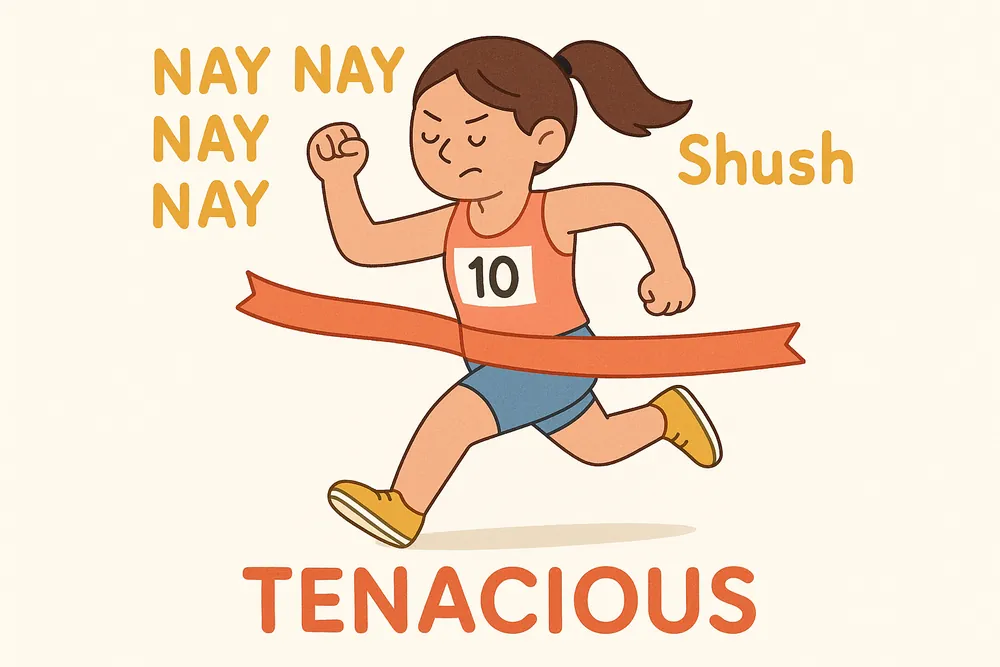
Character words are easiest to remember when attached to behavior rather than a general positive or negative feeling. An amiable colleague is pleasantly friendly; an abrasive one repeatedly irritates others. A prudent person anticipates consequences, while a complacent person feels so satisfied that they stop noticing risk. Tenacious behavior persists despite difficulty.
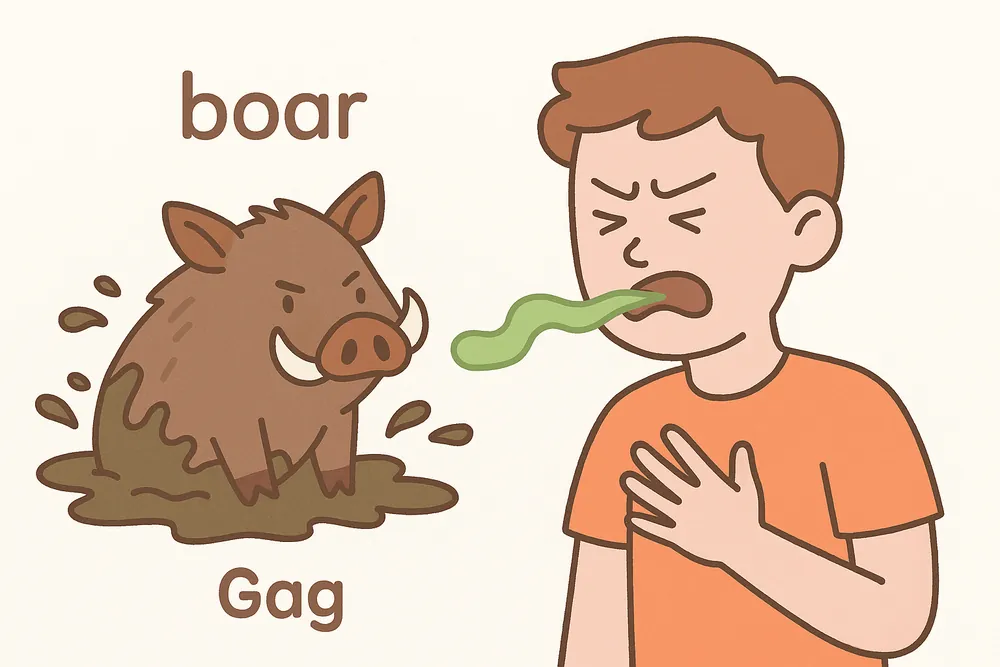
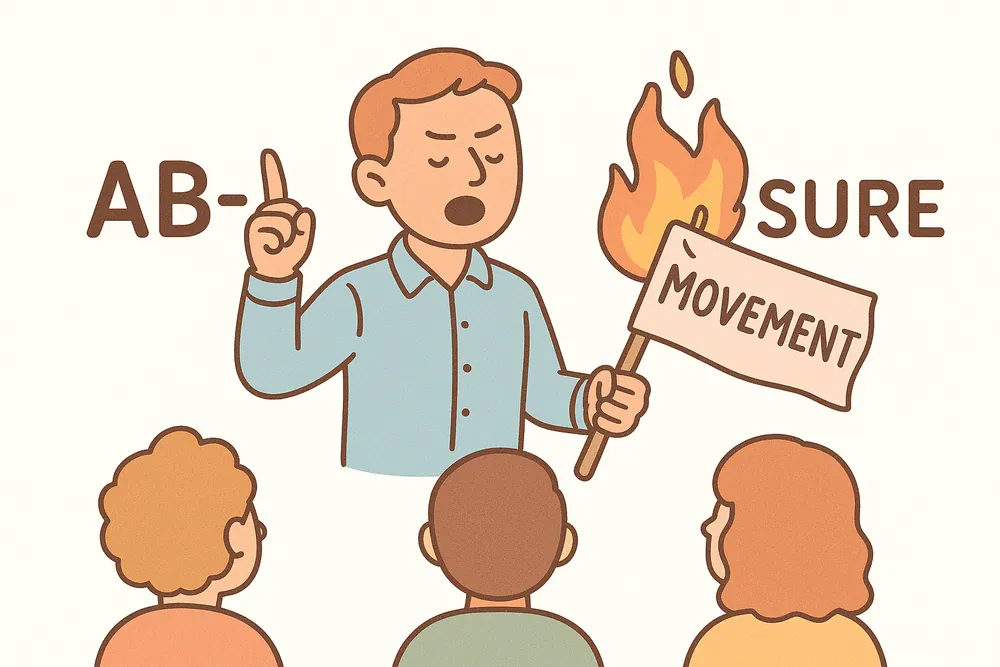
Several words describe how people respond to status, authority, or wrongdoing. An imperious person expects obedience; an obsequious person flatters or submits too eagerly. To abase someone is to lower their dignity. A contrite person shows sincere remorse, while someone who abjures a belief formally rejects it. To abhor a practice is to regard it with intense disgust, not merely to disagree with it.
Amiable friendliness is pleasant and equal. Obsequious behavior is excessively submissive and usually directed toward someone powerful.
Prudence notices risk and acts carefully. Complacency overlooks risk because current success feels secure.
Imperious describes a commanding expectation of obedience; abrasive describes a manner that irritates or offends.
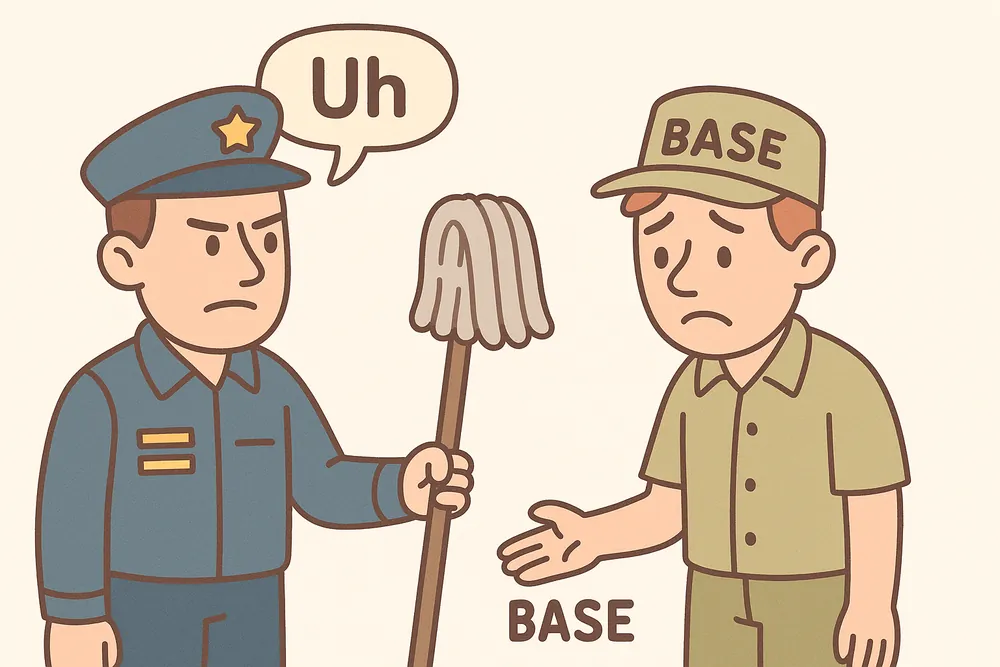
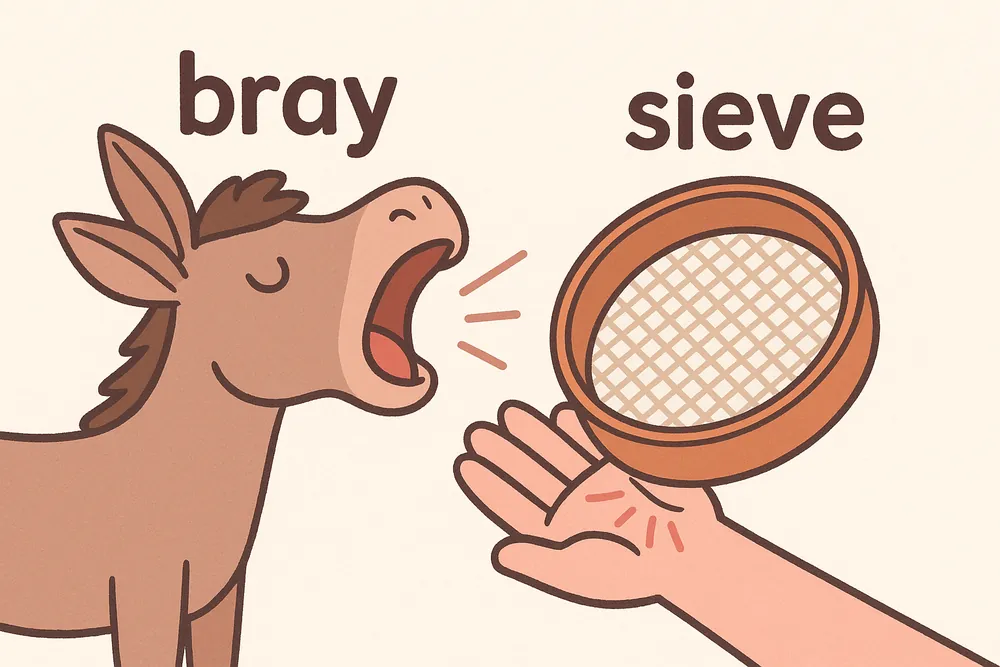
adjective · uh-BRAY-siv
Rough enough to scrape a surface; harsh or irritating in manner.
Learn this word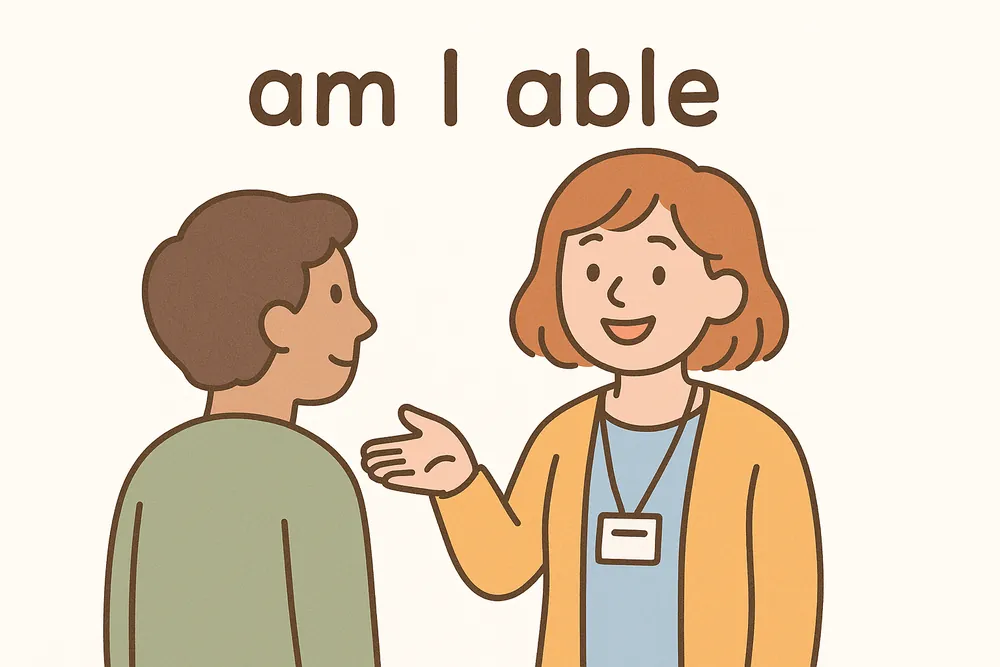
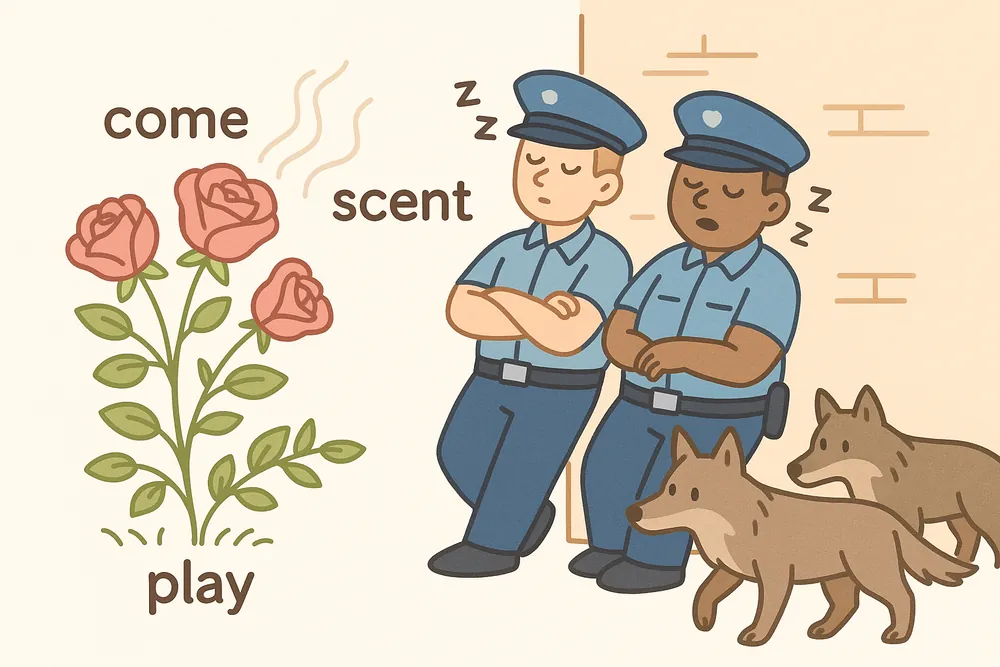
adjective · kum-PLAY-sent
Self-satisfied and insufficiently aware of possible danger or failure.
Learn this word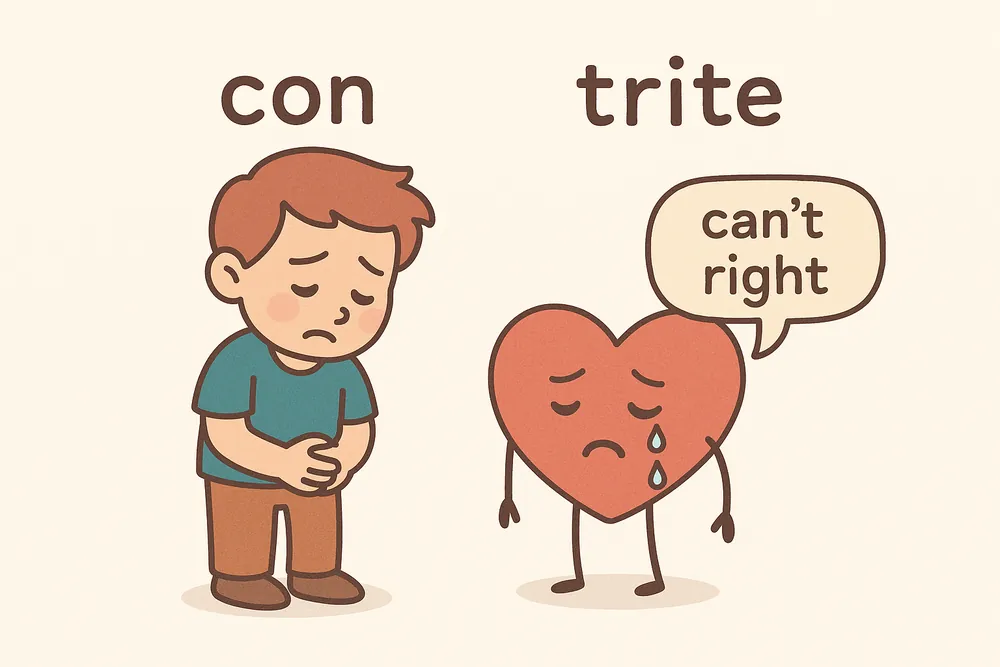
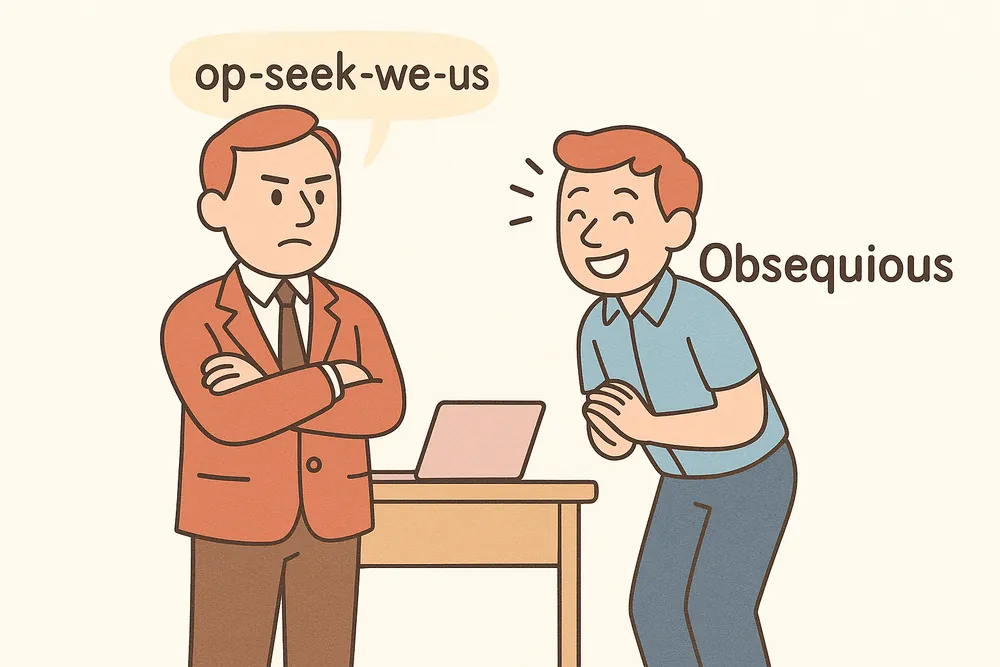
adjective · ub-SEE-kwee-us
Excessively eager to obey, flatter, or serve someone powerful.
Learn this word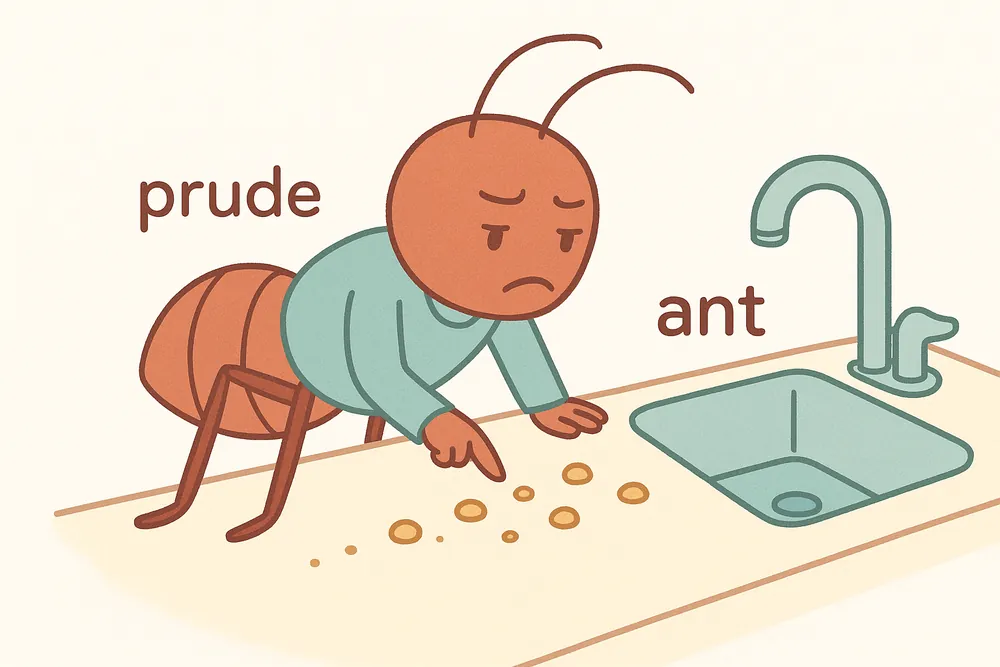
Finished this set?
Choose another collection