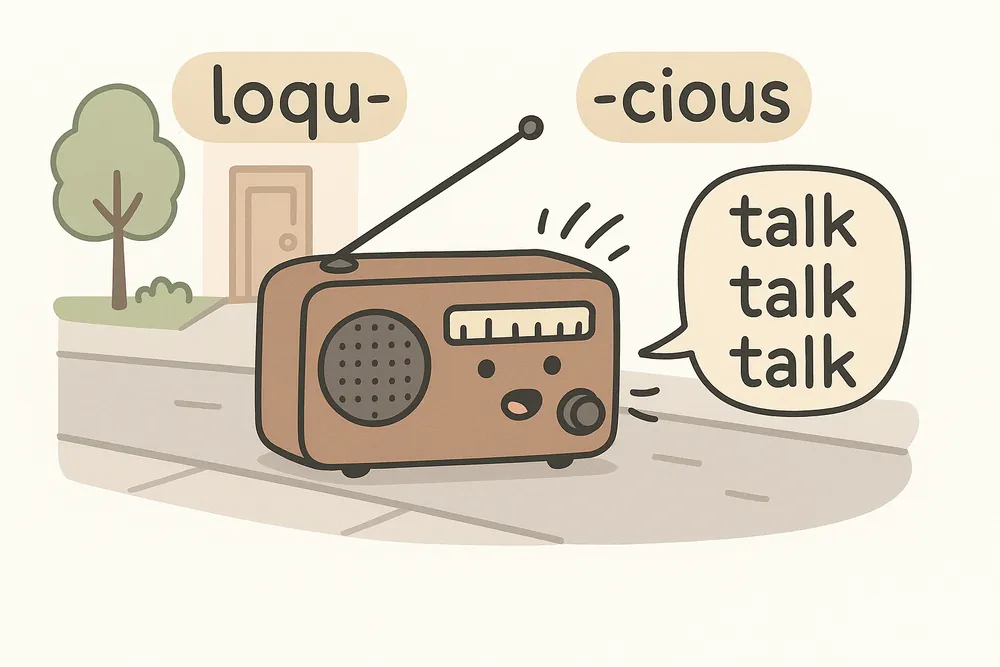
laconic / loquacious
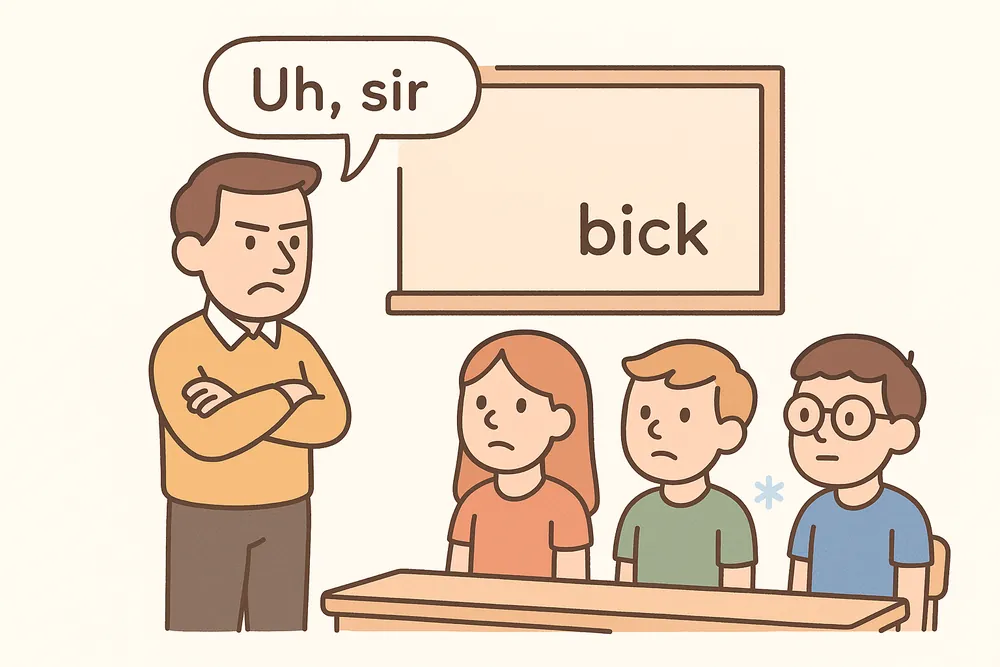
A laconic speaker uses very few words; a loquacious speaker talks at length. Neither word alone tells you whether the content is useful.
Ten-word study set
Words for tone, clarity, knowledge, brevity, display, introductions, and emphasis.
Learn the distinctions
Style is not one scale from good to bad. Laconic and loquacious describe how much someone says. Acerbic describes a sharp, biting tone. Cryptic language is hard to understand because its meaning is obscure, whereas arcane material is difficult because it belongs to specialized or little-known knowledge. An erudite explanation displays deep learning without necessarily being inaccessible.
Other terms describe deliberate choices in presentation. A meticulous writer attends closely to details; an ostentatious one displays knowledge or status conspicuously. A preamble introduces what follows, while to underscore a point is to emphasize its importance. Asking whether you mean length, tone, accessibility, precision, or emphasis will usually reveal the right word.
A laconic speaker uses very few words; a loquacious speaker talks at length. Neither word alone tells you whether the content is useful.
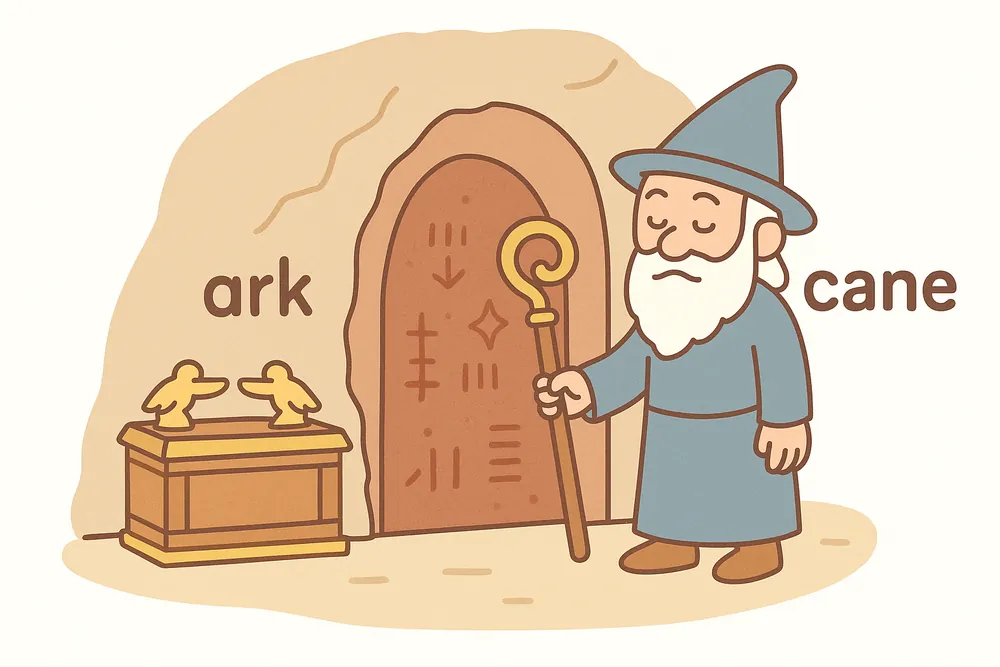
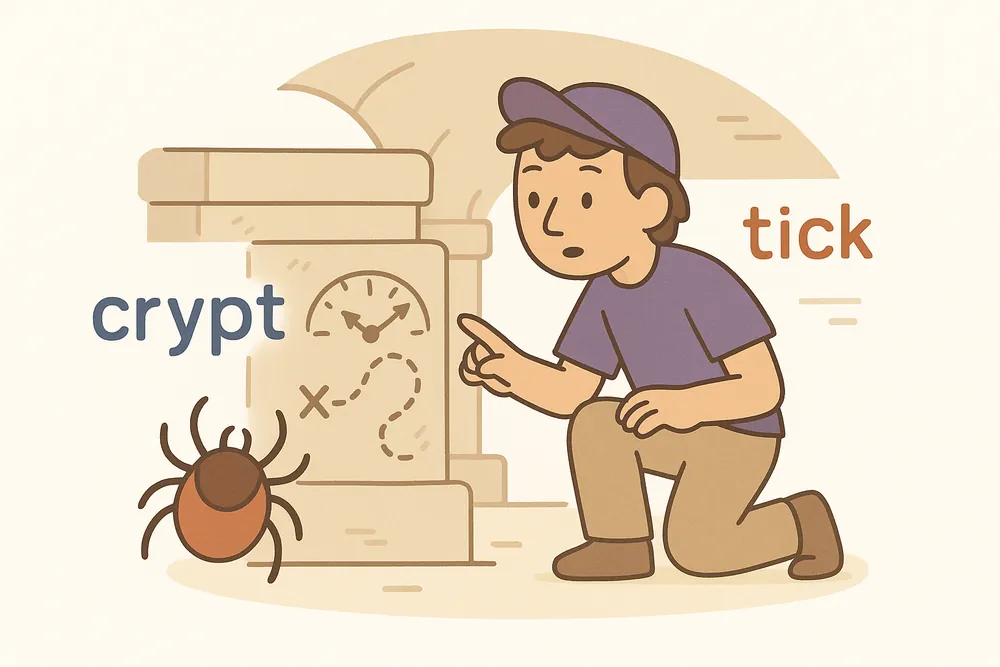
Cryptic communication conceals or obscures meaning. Arcane knowledge is understood by relatively few people because it is specialized.
Erudite signals genuine learning. Ostentatious criticizes a display designed to attract attention or admiration.
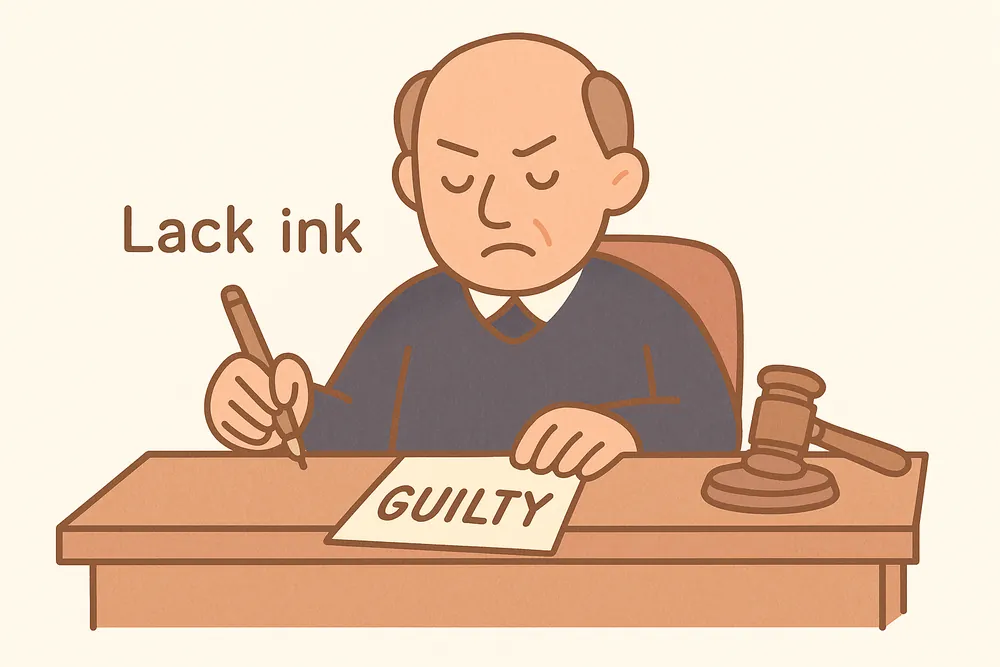
adjective · KRIP-tik
Mysterious or difficult to understand because its meaning is hidden.
Learn this word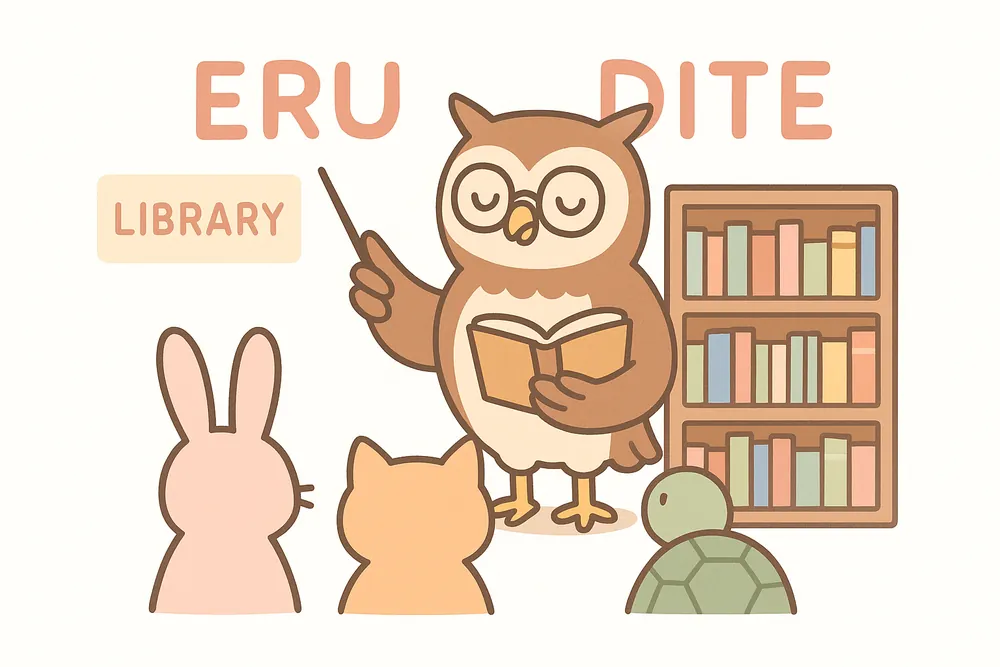
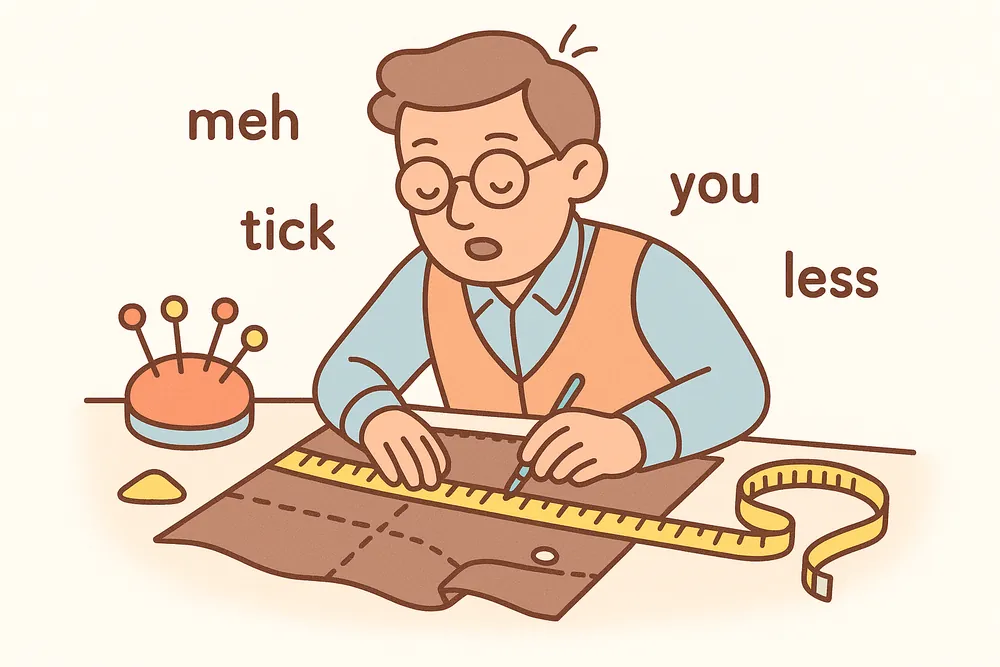
adjective · meh-TIK-yuh-lus
Extremely careful and attentive to small details.
Learn this word
adjective · ah-sten-TAY-shus
Showy and designed to attract attention or impress others.
Learn this word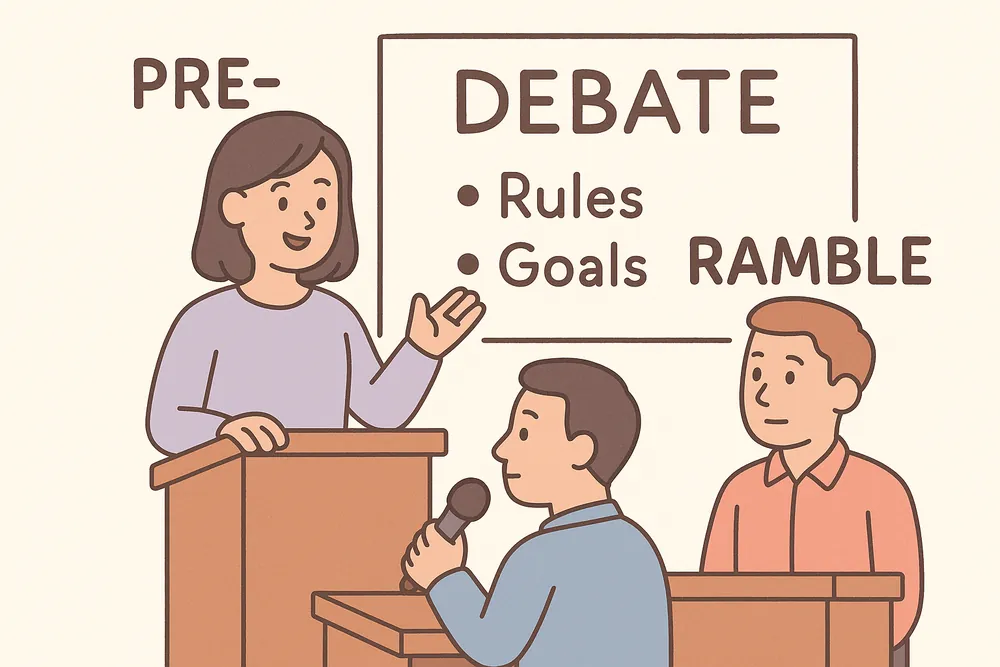
noun · PREE-am-bul
An introductory statement explaining the purpose or principles of what follows.
Learn this word
Finished this set?
Choose another collection